Author name: beingnew

Yarn Count Units Explained – Nm, Ne, Denier, Tex & Conversions

Yarn Count Units Explained – Nm, Ne, Denier, Tex & Conversions Yarn Count Systems – A Quick Reference Guide Yarn count defines the thickness or fineness of a yarn, directly affecting fabric weight, strength, and hand feel. There are four main systems used globally. 1. Metric Count (Nm) – Fixed Weight Definition: meters of yarn per […]

Yarn Count Units Explained – Nm, Ne, Denier, Tex & Conversions Read More »
Understanding Textile Fiber Classification & Yarn Count Units – Spotlight on Polyester Filament Yarn 1000D

Understanding Textile Fiber Classification & Yarn Count Units – Spotlight on Polyester Filament Yarn 1000D Understanding Textile Fibers Textile fibers are the building blocks of all fabrics. Understanding their classification and the key parameters used to measure them is essential for anyone in the textile industry – whether you are a manufacturer, supplier, or buyer.

Understanding Textile Fiber Classification & Yarn Count Units – Spotlight on Polyester Filament Yarn 1000D Read More »

Industrial Applications of High-Tenacity Low-Shrinkage (HTLS) Polyester Yarn

Industrial Applications of High-Tenacity Low-Shrinkage (HTLS) Polyester Yarn High-Tenacity Low-Shrinkage (HTLS) polyester filament yarn (featuring a breaking strength of 5.5–7.0 cN/dtex and dry heat shrinkage of ≤3%) has become an indispensable backbone material across modern manufacturing. Characterized by its exceptional high strength, high modulus, low creep, superior dimensional stability, and excellent resistance to heat and

Industrial Applications of High-Tenacity Low-Shrinkage (HTLS) Polyester Yarn Read More »

What is 10% Openness Solar Fabric? The Importance of High-Quality PVC Coated Yarn for Blinds

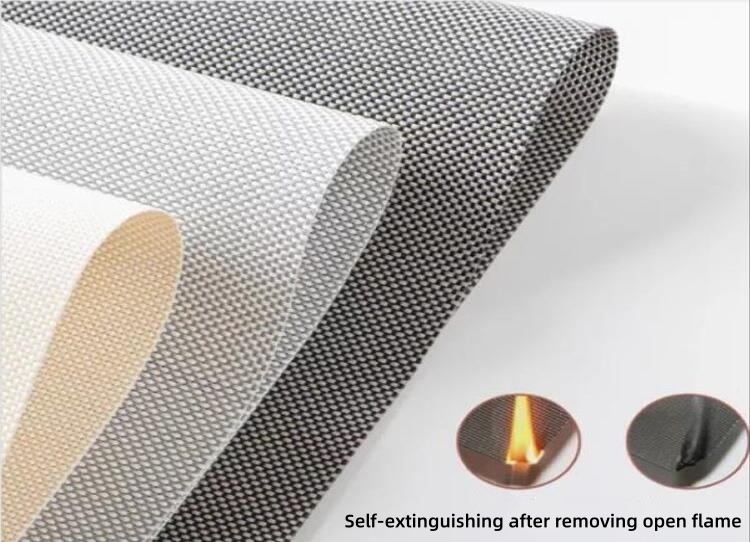
What is 10% Openness Solar Fabric? The Importance of High-Quality PVC Coated Yarn for Blinds The Hidden Key to Quality Blinds: Why Material Matters For roller blind manufacturers, the aesthetic and performance of the final product depend entirely on the raw materials used during the weaving process. To achieve precise cutting (down to 1mm tolerance)

What is 10% Openness Solar Fabric? The Importance of High-Quality PVC Coated Yarn for Blinds Read More »

Understanding Reed Diffuser Sticks: A B2B Sourcing Guide for Fragrance Brands

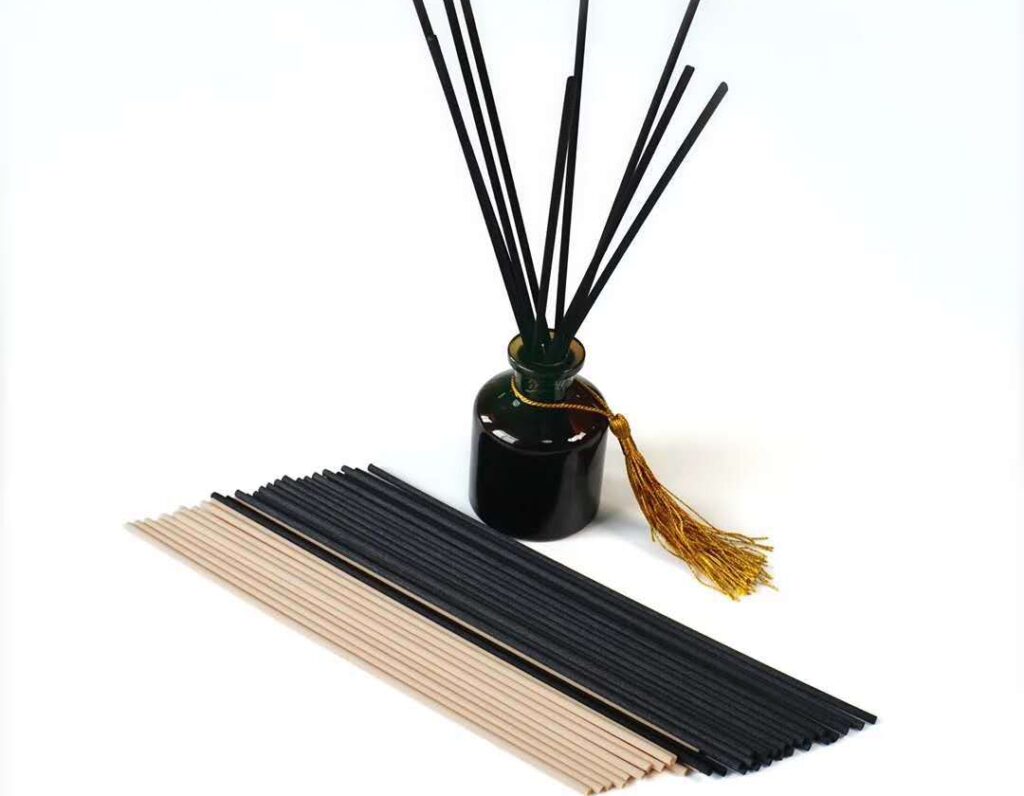
Understanding Reed Diffuser Sticks: A B2B Sourcing Guide for Fragrance Brands In the home fragrance industry, a premium product line relies not just on the quality of the fragrance oil, but heavily on the delivery system. Reed diffuser sticks are the essential vehicles that physically wick and diffuse aromatherapy oils into the air. For fragrance

Understanding Reed Diffuser Sticks: A B2B Sourcing Guide for Fragrance Brands Read More »

How to Use Elastic Thread – A Complete Guide for Garments, Knits & More​

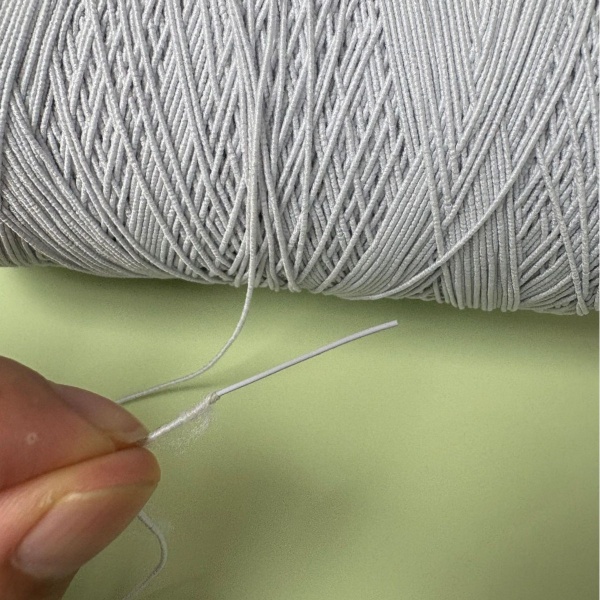
How to Use Elastic Thread – A Complete Guide for Garments, Knits & More Elastic thread (also known as elastic yarn, rubber thread, or covered spandex) is a versatile sewing and knitting material widely used in textiles, garments, and even packaging. It consists of a core made from high-quality imported latex, spandex, or rubber yarn,

How to Use Elastic Thread – A Complete Guide for Garments, Knits & More​ Read More »

What Are the Materials for Aromatherapy Diffuser Sticks?​

What Are the Materials for Aromatherapy Diffuser Sticks? When it comes to creating high-quality non-flammable aromatherapy diffusers, the choice of diffuser stick material plays a critical role. The performance, absorption rate, and volatilization stability of the stick directly affect the user’s sensory experience. So, what are the common materials for aromatherapy diffuser sticks on the

What Are the Materials for Aromatherapy Diffuser Sticks?​ Read More »

Choosing the Right Spandex Yarn: Common Varieties and Their Applications

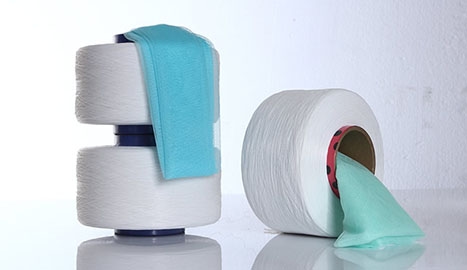
Choosing the Right Spandex Yarn: Common Varieties and Their Applications What is Spandex? The “Second Skin” of Modern FashionSpandex, also known as Elastane or Lycra, is a synthetic polyurethane fiber (a linear polymer containing over 85% polyurethane segments). It is chemically synthesized through the polymerization of PTMEG and MDI. Renowned for its extraordinary elasticity and

Choosing the Right Spandex Yarn: Common Varieties and Their Applications Read More »

Scroll to Top