
Understanding Textile Fiber Classification & Yarn Count Units – Spotlight on Polyester Filament Yarn 1000D
Understanding Textile Fibers
Textile fibers are the building blocks of all fabrics. Understanding their classification and the key parameters used to measure them is essential for anyone in the textile industry – whether you are a manufacturer, supplier, or buyer.
This guide breaks down the fiber classification system and the most common yarn count units, and explains why polyester filament yarn 1000D is a versatile choice for many applications.
1. Natural Fibers
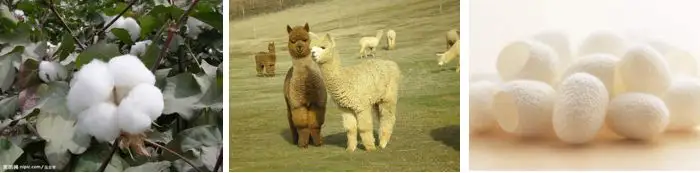
Natural fibers are directly derived from plant or animal sources. They are environmentally friendly, breathable, and comfortable.
Plant Fibers (Seed & Bast Fibers):
Cotton, Kapok (seed fibers)
Flax, Linen, Ramie, Hemp, Kender (bast fibers)
Animal Fibers (Hair & Secretions):
Wool, Cashmere, Mohair, Rabbit hair, Camel hair, Yak hair, Alpaca, Vicuña
Cultivated silk, Tussah silk (produced by silkworms)
Mineral Fiber:
Asbestos
💡 Natural fibers are renewable and biodegradable, making them popular for eco-friendly textiles.
2. Man-Made / Chemical Fibers
Chemical fibers are produced by processing natural or synthetic polymers through chemical and mechanical methods.
Regenerated Fibers
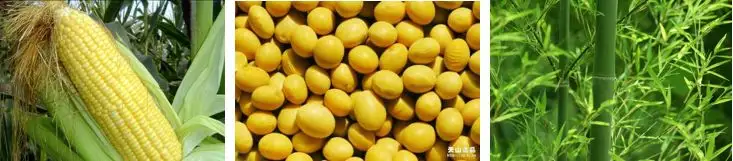
These are made by dissolving natural cellulose from plants and then spinning it into fibers.
Examples: Viscose, Copper-ammonium (Cupro), Acetate, Lyocell, Modal, Soybean fiber, Corn fiber.
Synthetic Fibers
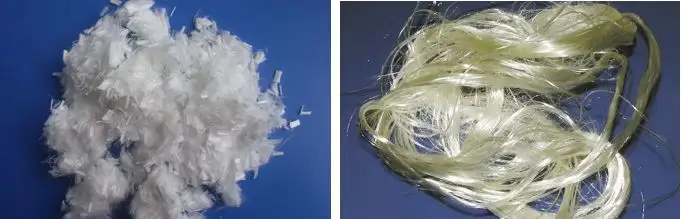
Synthetic fibers are made from low-molecular-weight compounds derived from petroleum, coal, or agricultural by-products. These are polymerized into high-molecular-weight polymers and then spun into fibers.
| Fiber Type | Chemical Name | Common Name |
|---|---|---|
| Polyester | Polyethylene terephthalate | Polyester / PET |
| Polyamide | Polyamide | Nylon |
| Polyacrylic | Polyacrylonitrile | Acrylic |
| Polypropylene | Polypropylene | Olefin / Polypro |
| Polyurethane | Polyurethane | Spandex / Elastane |
| Polyvinyl alcohol | PVA | Vinylon |
| Polyvinyl chloride | PVC | PVC fiber |
| Others | Aramid, etc. | Aramid |
⚡ Synthetic fibers are known for their strength, durability, resistance to chemicals, and low cost.
Why 1000D Matters – Introducing Our Product
At this point, let’s talk about a specific product: polyester filament yarn 1000D.
The D stands for Denier, meaning 9,000 meters of this yarn weighs 1,000 grams. This makes it a medium-to-heavy denier yarn – ideal for applications requiring strength, durability, and abrasion resistance.
Our polyester filament yarn 1000D offers excellent uniformity, high strength, low shrinkage, and consistent dyeing performance. It is widely used for webbing, straps, industrial fabrics, geotextiles, and automotive textiles.
👉 [Explore our Polyester Filament Yarn 1000D ]
Conclusion
Whether you are sourcing fibers for weaving, knitting, or industrial applications, knowing the fiber type and yarn count system is critical to ensuring the right performance.
Natural fibers offer comfort and breathability.
Synthetic fibers, especially polyester, offer strength and durability at a competitive price.