
Understanding Reed Diffuser Sticks: A B2B Sourcing Guide for Fragrance Brands
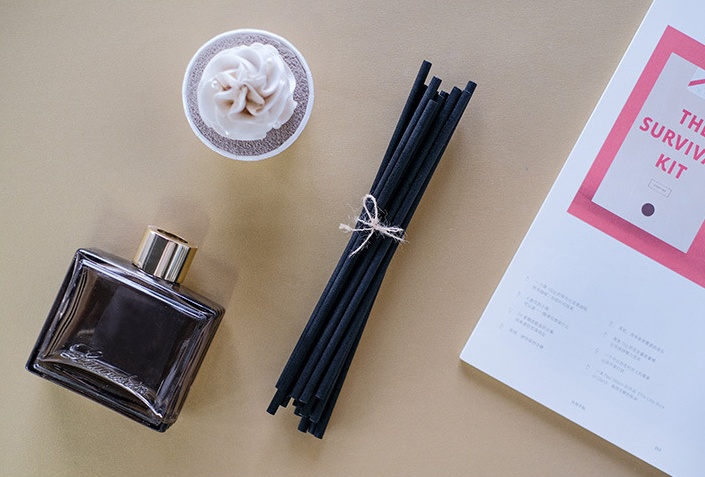
In the home fragrance industry, a premium product line relies not just on the quality of the fragrance oil, but heavily on the delivery system. Reed diffuser sticks are the essential vehicles that physically wick and diffuse aromatherapy oils into the air. For fragrance brands and manufacturers, choosing the right diffuser stick material is a critical decision that directly affects retail customer satisfaction, brand reputation, and product shelf life.
Here is a technical breakdown of what makes a high-performance diffuser stick and how to choose the best materials for your manufacturing needs.
Technical Features to Consider for Bulk Sourcing
1. Superior Scent Throw
The ultimate measure of a diffuser stick is its Scent Throw—how effectively and evenly it distributes fragrance throughout a space. High-performance sticks must possess excellent capillary action, drawing the oil upward smoothly and releasing it consistently without requiring consumers to constantly flip the sticks.
2. Anti-Clogging & Mold Resistance
Traditional wood or poorly made materials often suffer from clogging, where dust or heavy oil molecules block the microscopic pores. Furthermore, in high-humidity environments, natural materials are highly susceptible to mold. Modern synthetic fibers solve this issue entirely with an engineered, open-pore structure that offers total clogging prevention and zero mold risk.
3. Material Safety & Eco-Friendliness
For global export, materials must be strictly non-toxic, non-hazardous, and chemically stable so they do not react with complex fragrance compounds or bleeding colors into the oil.
Choosing the Right Raw Material: The Evolution of Fiber
Diffuser sticks are typically engineered from high-absorption materials. While traditional options include natural wood or woven textiles, the industry has heavily shifted toward advanced synthetic fibers.
However, not all fibers are created equal:
Traditional Glue-Bonded Fibers: Often use chemical adhesives to bind the fibers together. Over time, fragrance solvents can dissolve these glues, leading to clogged pores, reduced scent throw, and chemical oil discoloration.
The Modern Solution (Hot-Melt Glue-Free Fiber): By utilizing thermal bonding rather than chemical glues, these fibers maintain a 100% pure, unblocked capillary structure. This delivers the fastest, most consistent scent throw and completely eliminates chemical reactions.
[Explore our Premium Hot-Melt Glue-Free Fiber Yarn for Diffuser Stick Manufacturing]
Why Sourcing Managers Prefer Glue-Free Fiber Materials
If you are manufacturing reed diffusers at scale, shifting to hot-melt glue-free fiber materials offers clear competitive advantages:
No Heating Required & Safe Production: The wicking process is entirely physical and safer for end-users compared to candles or electronic diffusers.
Long-Lasting Performance: High-quality fiber structures ensure steady release for weeks or months without a drop in performance.
Aesthetic Customization: Our raw fiber yarns support precision dyeing, allowing manufacturers to create sleek black, crisp white, or custom-colored sticks that align with luxury packaging design without color bleeding.
Summary & Sourcing Advice
For fragrance brands looking to scale, the choice of raw material dictates product performance. Investing in high-absorption, mold-resistant, and glue-free materials ensures your diffusers deliver a premium, worry-free aromatic experience.
As a dedicated factory supplier, we provide high-grade hot-melt glue-free fiber yarn specifically optimized for high-end diffuser stick production. Contact us today to request free samples for your lab testing.